
Events
Our events are free and open to the public. Space is limited, and advance registration is required. If you are interested in attending, please register early to reserve your spot.
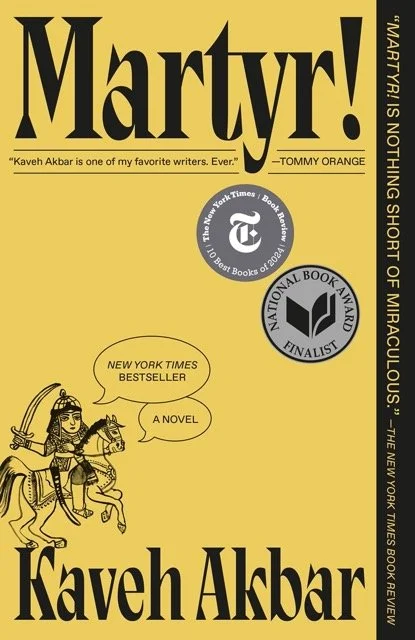
Humanities Unbound: Martyr! by Kaveh Akbar
Join Humanities New York and Just Buffalo Literary Center for a three-session reading and discussion series centered on Kaveh Akbar’s Martyr!, exploring memory, belonging, loss, and the histories we inherit.
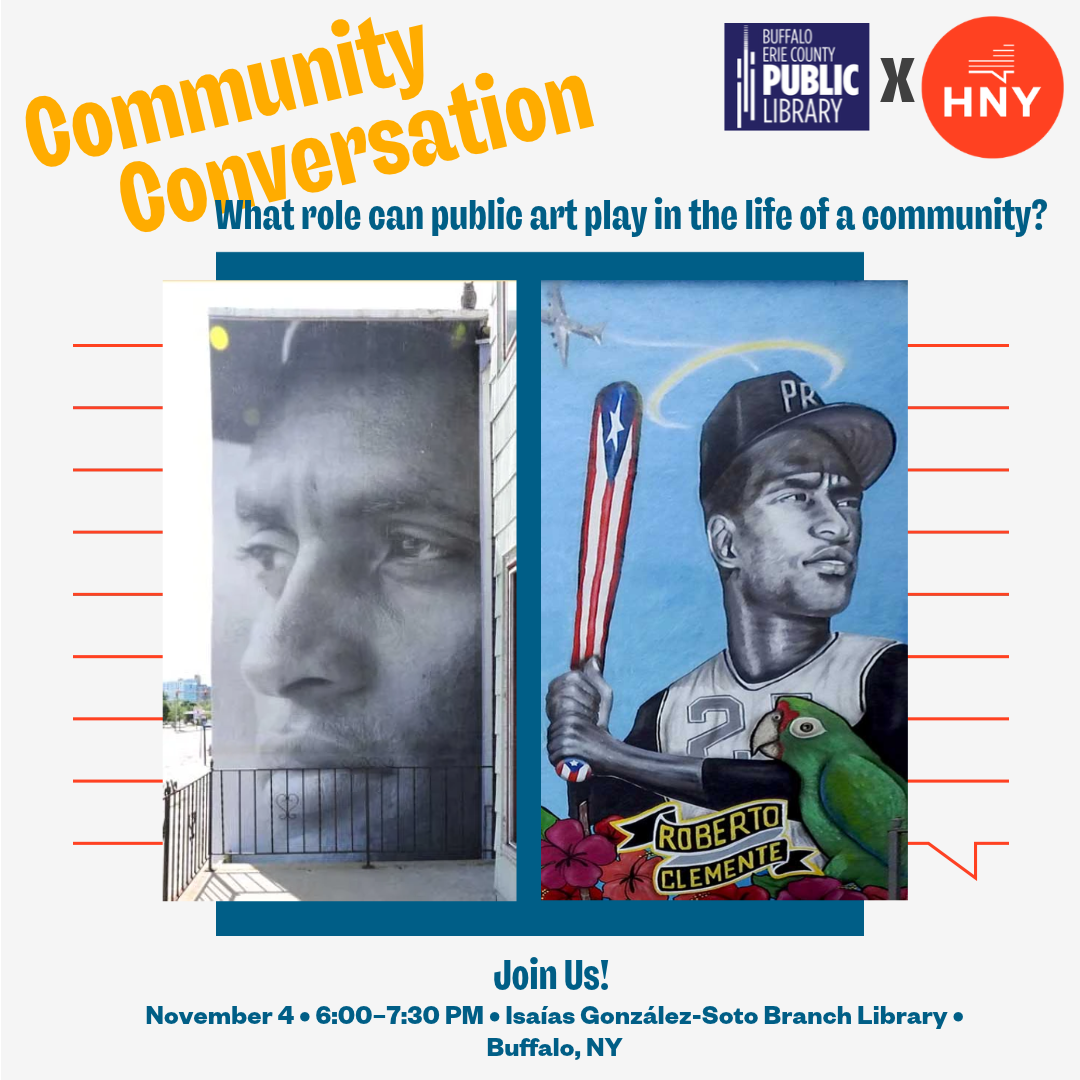
What role can public art play in the life of a community?
Join Humanities New York and the Isaías González-Soto Branch of the Buffalo & Erie County Public Library for a Community Conversation about public art and community life, using Buffalo’s Roberto Clemente mural as a shared visual anchor.
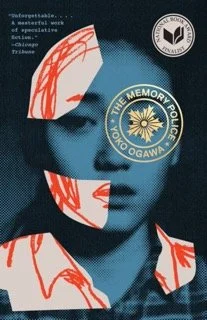
Humanities Unbound: The Memory Police & The Library Book
Join Humanities New York and Woodstock Public Library for a four-session reading and discussion series exploring memory, knowledge, and freedom through Yōko Ogawa’s The Memory Police and Susan Orlean’s The Library Book.
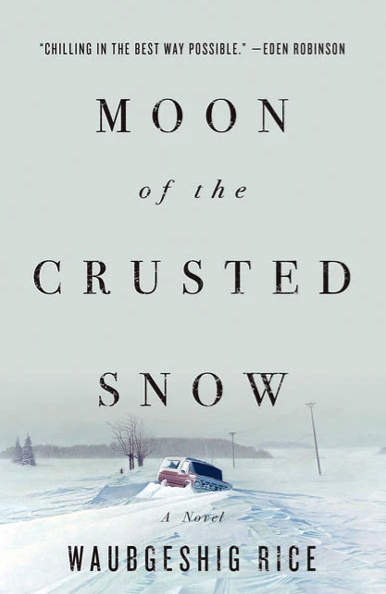
Humanities Unbound: Moon of the Crusted Snow by Waubgeshig Rice
Join Humanities New York and Ma’s House for a three-session reading and discussion series centered on Waubgeshig Rice’s Moon of the Crusted Snow, exploring community, tradition, survival, responsibility, and the futures we imagine together.
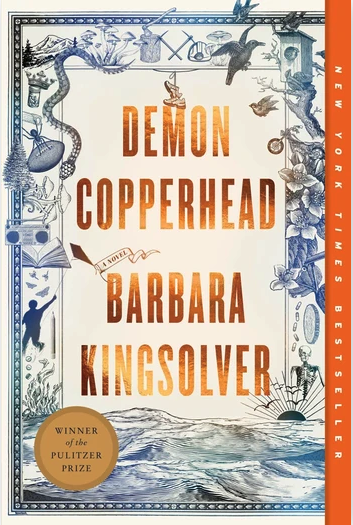
Humanities Unbound: Demon Copperhead by Barbara Kingsolver
Join Humanities New York and Liverpool Public Library for a three-session reading and discussion series centered on Barbara Kingsolver’s Demon Copperhead, exploring identity, belonging, circumstance, and the stories we use to understand one another.
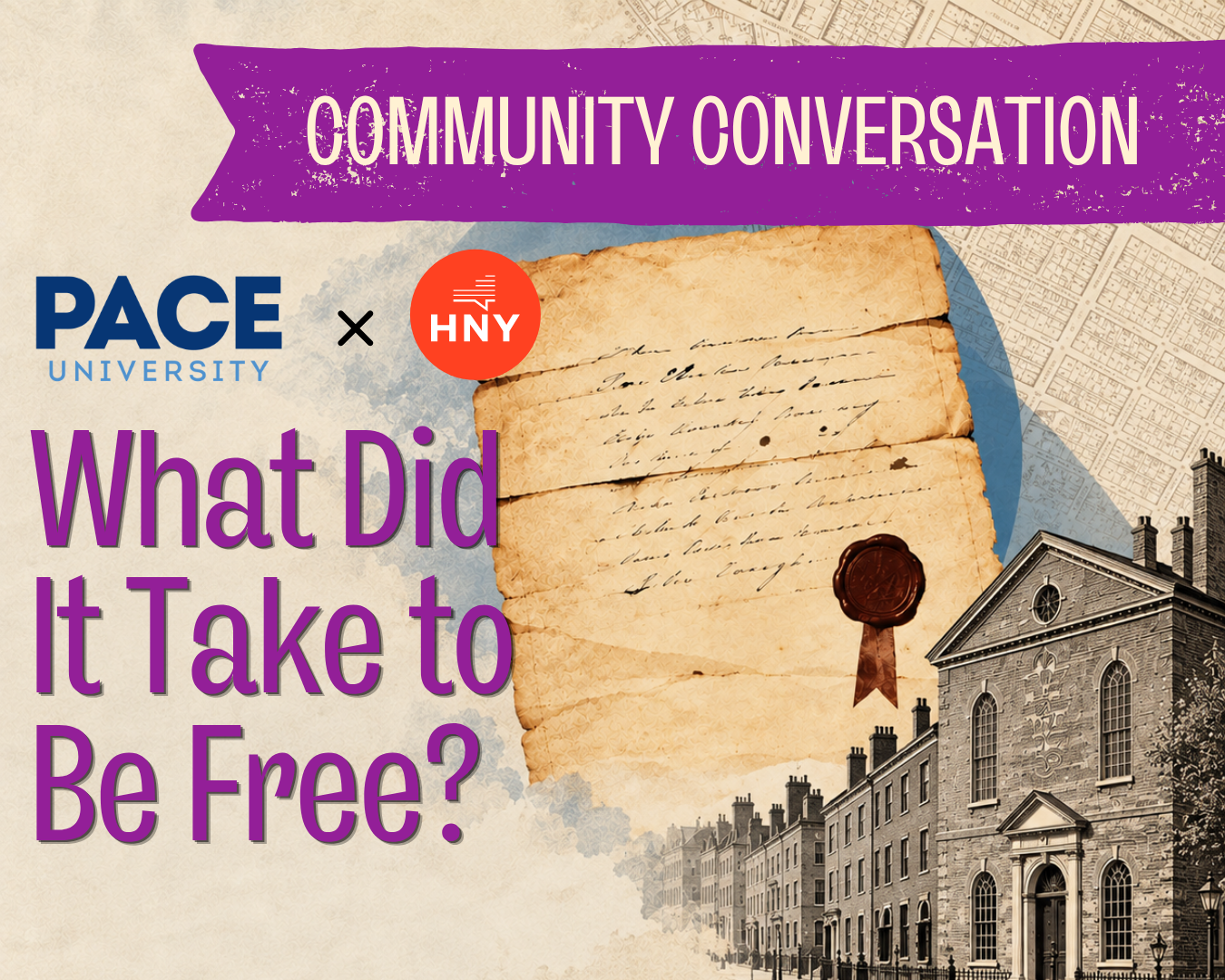
What Did It Take to Be Free?
Presented as part of Pace University’s project, “Sold in the Free City of New York”: The Business of Slavery and its Legacy in Lower Manhattan, with funding support from the Council of Independent Colleges History and Legacies of American Slavery Grant Program.
Equality: Do We Mean It?
Most of us say we believe in equality. But who belongs to the “we,” and what does that belief ask of us?
Humanities New York and Brooklyn Public Library invite you to Equality: Do We Mean It?, two participatory sessions within BPL’s UPRISING/DOWNFALL: Repression and Resistance in the Making of Democracy. This late-night teach-in brings talks and performances to Central Library to explore America’s struggles over democracy and equity.
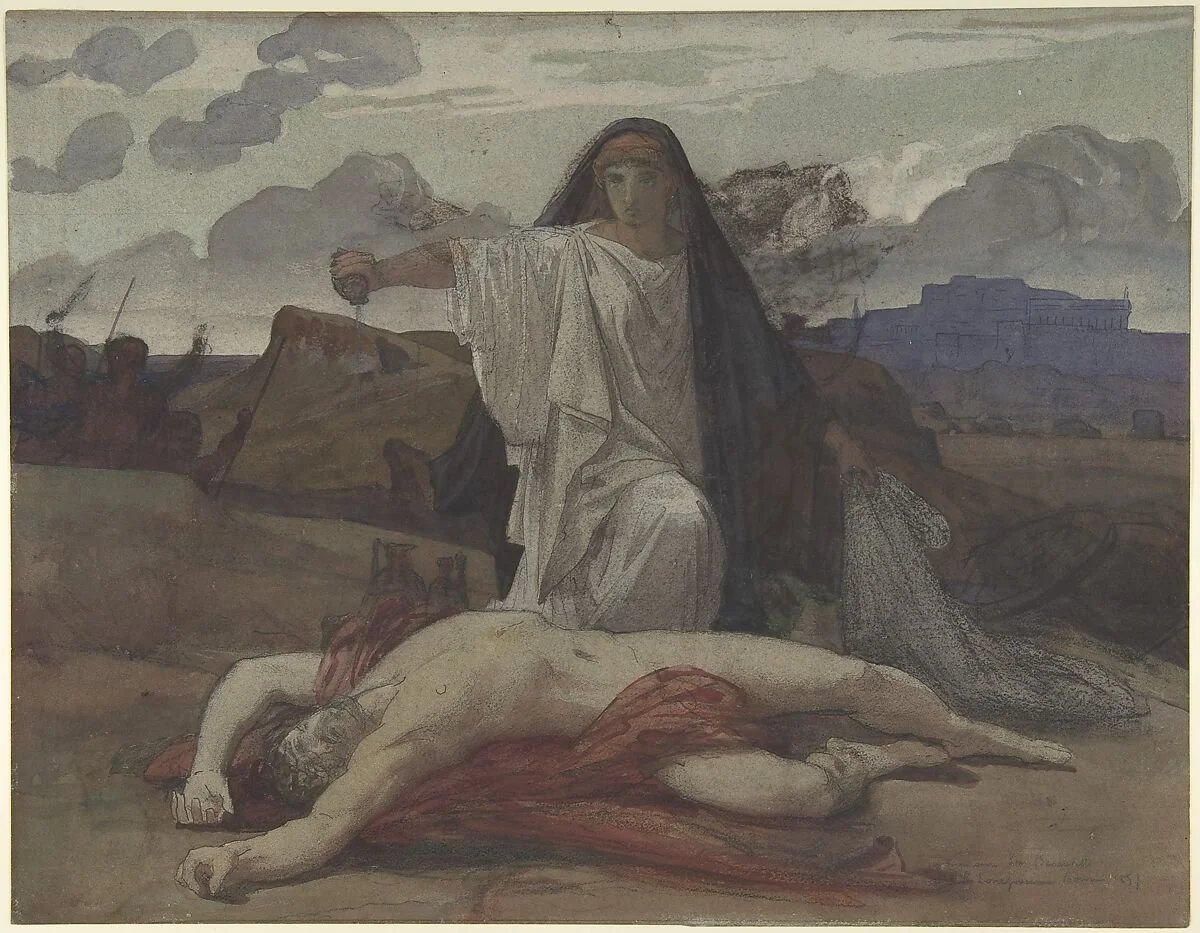
When Is It Time to Break the Rules?
When does a rule protect a community—and when does it ask too much of someone?
This Thursday, October 1, join Humanities New York and Queens Public Library at Ridgewood Library for “When Is It Time to Break the Rules?” A short passage from Sophocles’ Antigone will open a guided conversation about authority and dissent. No advance reading or registration is required.
Is Offense a Threat or a Necessity in a Free Society?
Is Offense a Threat or a Necessity in a Free Society? invites participants to consider what a free society owes both those who speak and those who are spoken about, and whether the freedom to offend is a cost of living together in a democracy.
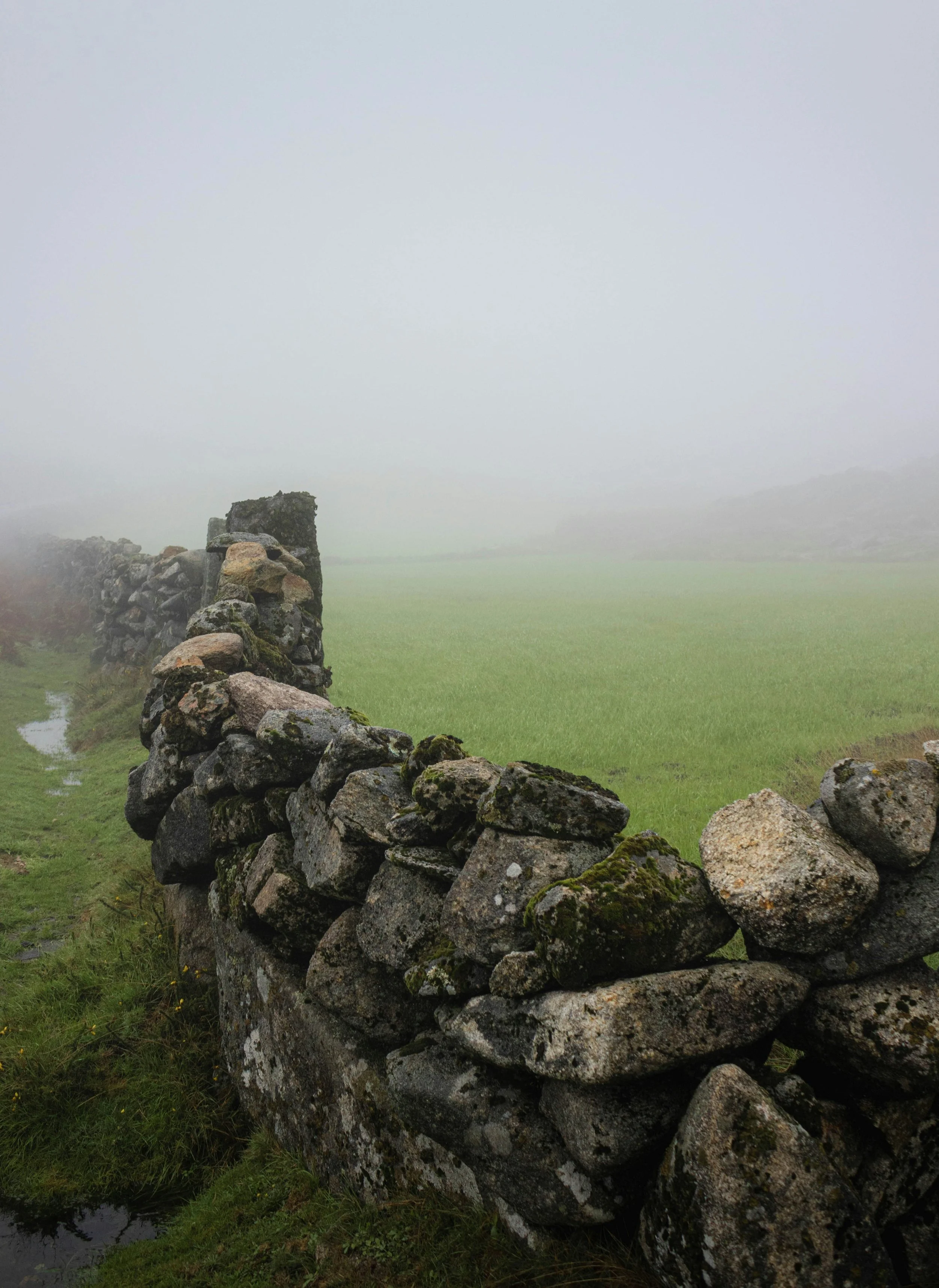
Can We Disagree Without Falling Apart?
The opening conversation on August 6, Can We Disagree Without Falling Apart?, begins with Robert Frost's Mending Wall. Participants will explore what holds communities together when people disagree, and whether boundaries always separate as much as they protect.
Speaking of Revolution: A Community Conversation with Stitch Buffalo
Stitch Buffalo is partnering with Humanities New York on Speaking of Revolution, a facilitated Community Conversation that is part of a statewide initiative exploring how people and communities experience change and renewal.
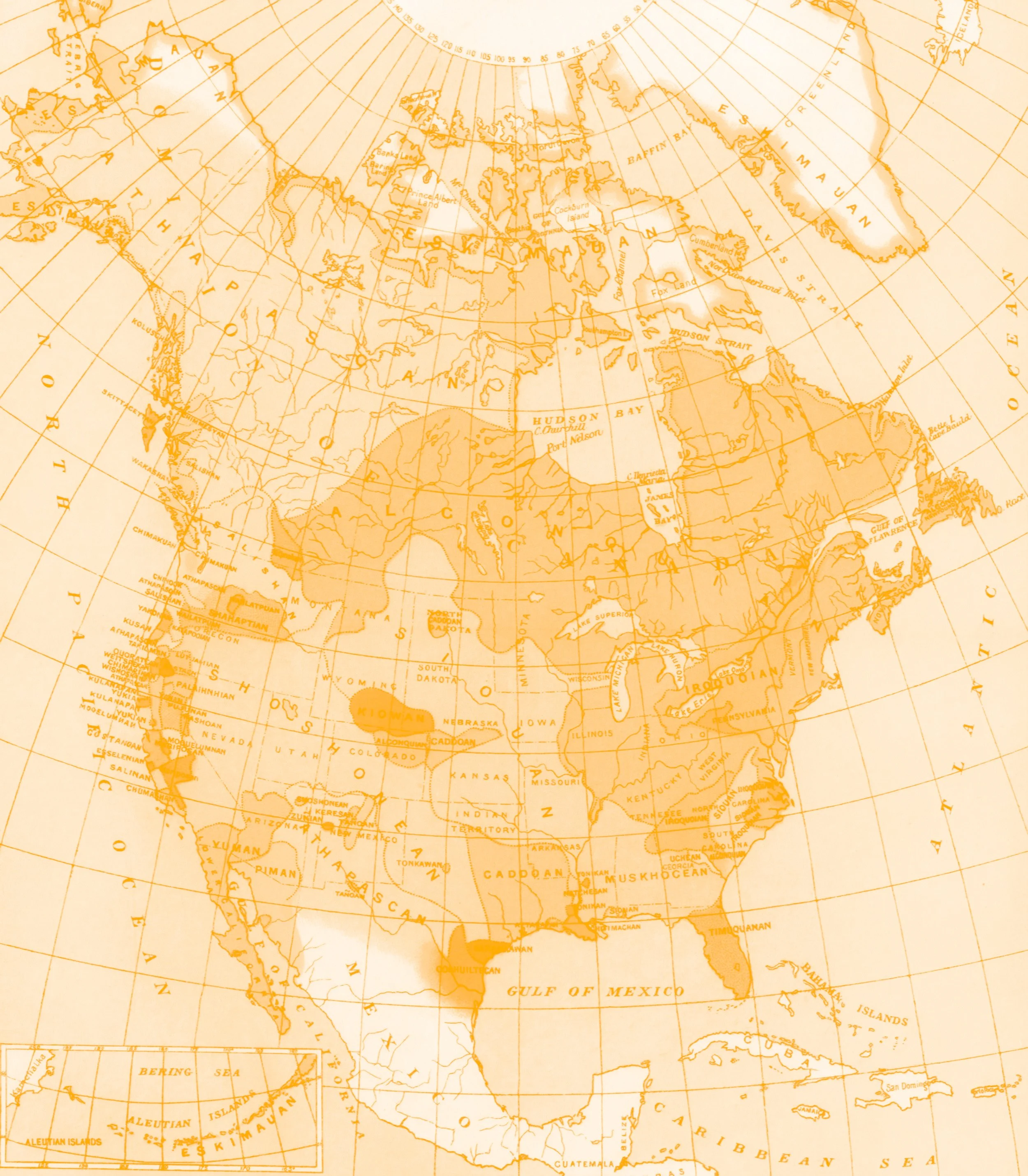
Speaking of Revolution from Indigenous Perspectives
The discussion will explore themes of rupture, return, and renewal through art, particularly in relation to Native American histories and subjects of the American West.

Speaking of Revolution: In A Different Key, A Community Conversation on Jazz
As one of New York’s most historically layered boroughs, Staten Island offers a powerful setting to reflect on themes of migration, memory, labor, and imagination in the context of revolution, past and future.

Freedom, Joy, and the Common Good
What makes a choice feel reasonable, and what does that have to do with freedom?

The Deer Hide Agreement: Diplomacy, Responsibility, and Renewal
Together, participants will reflect on the deer hide and consider what it reveals about diplomacy, responsibility, and how agreements endure across generations.
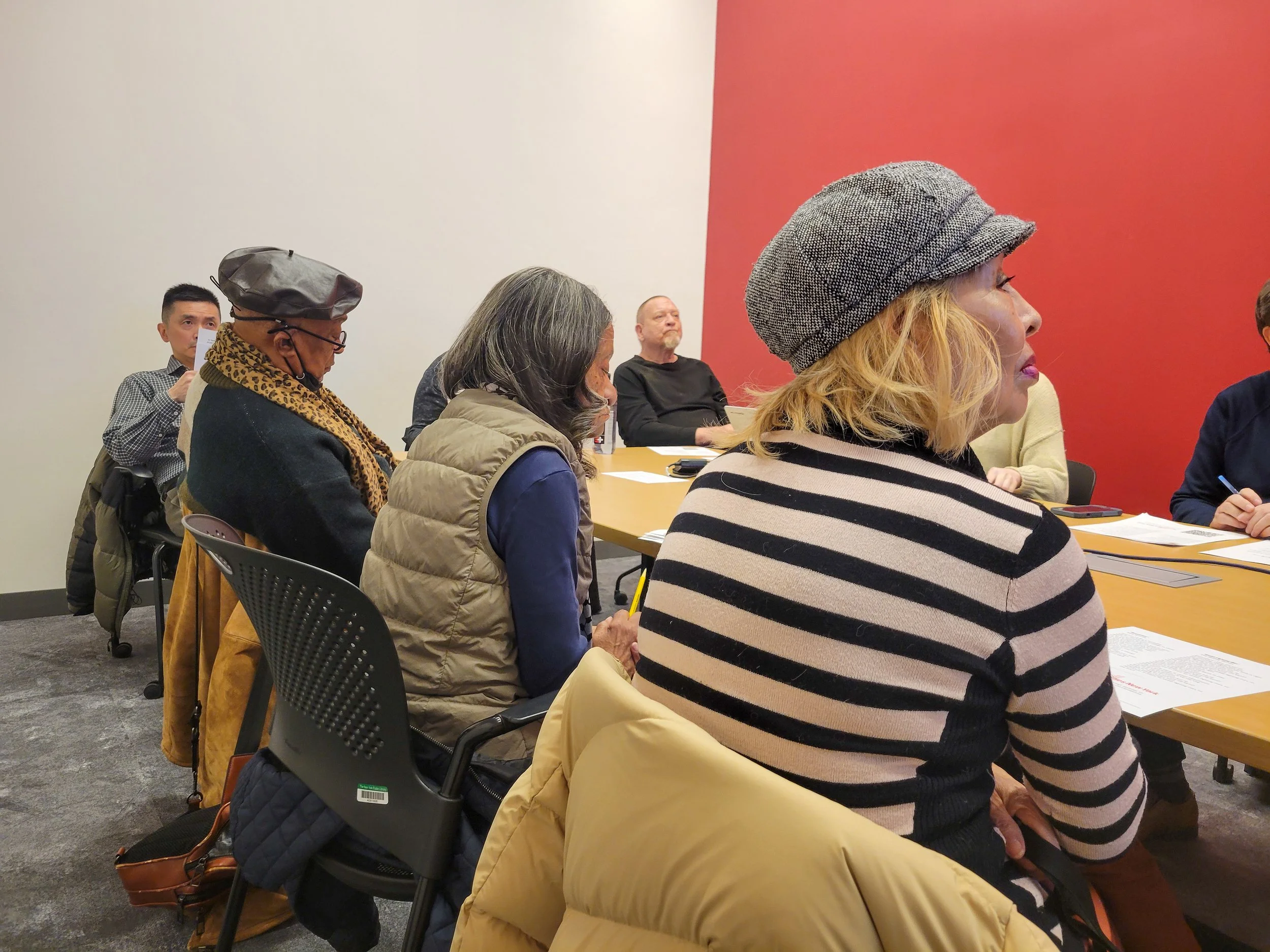
The Beatles, Nina Simone, and the Rolling Stones.
n 1968, The Beatles, Nina Simone, and The Rolling Stones each reimagined revolution. The Beatles questioned violence; Simone demanded upheaval; the Stones captured irony and restlessness. Heard together, these songs reveal how art channels protest, struggle, and hope.
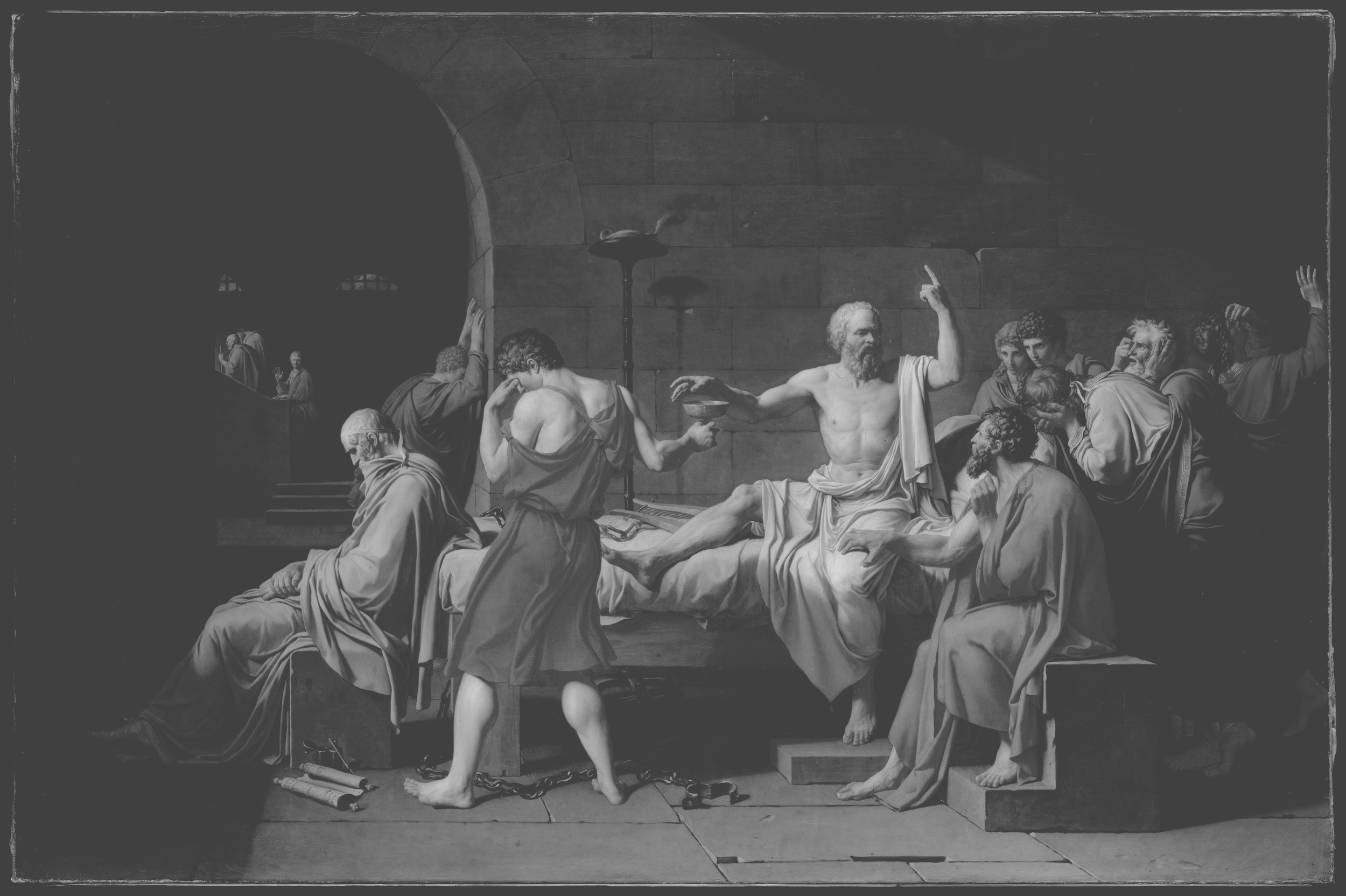
Truth, Fear, and Moral Courage in Plato's Apology
This Community Conversation takes its cue from a short, sharp excerpt from Plato’s Apology, which recounts the trial of Socrates in ancient Athens.
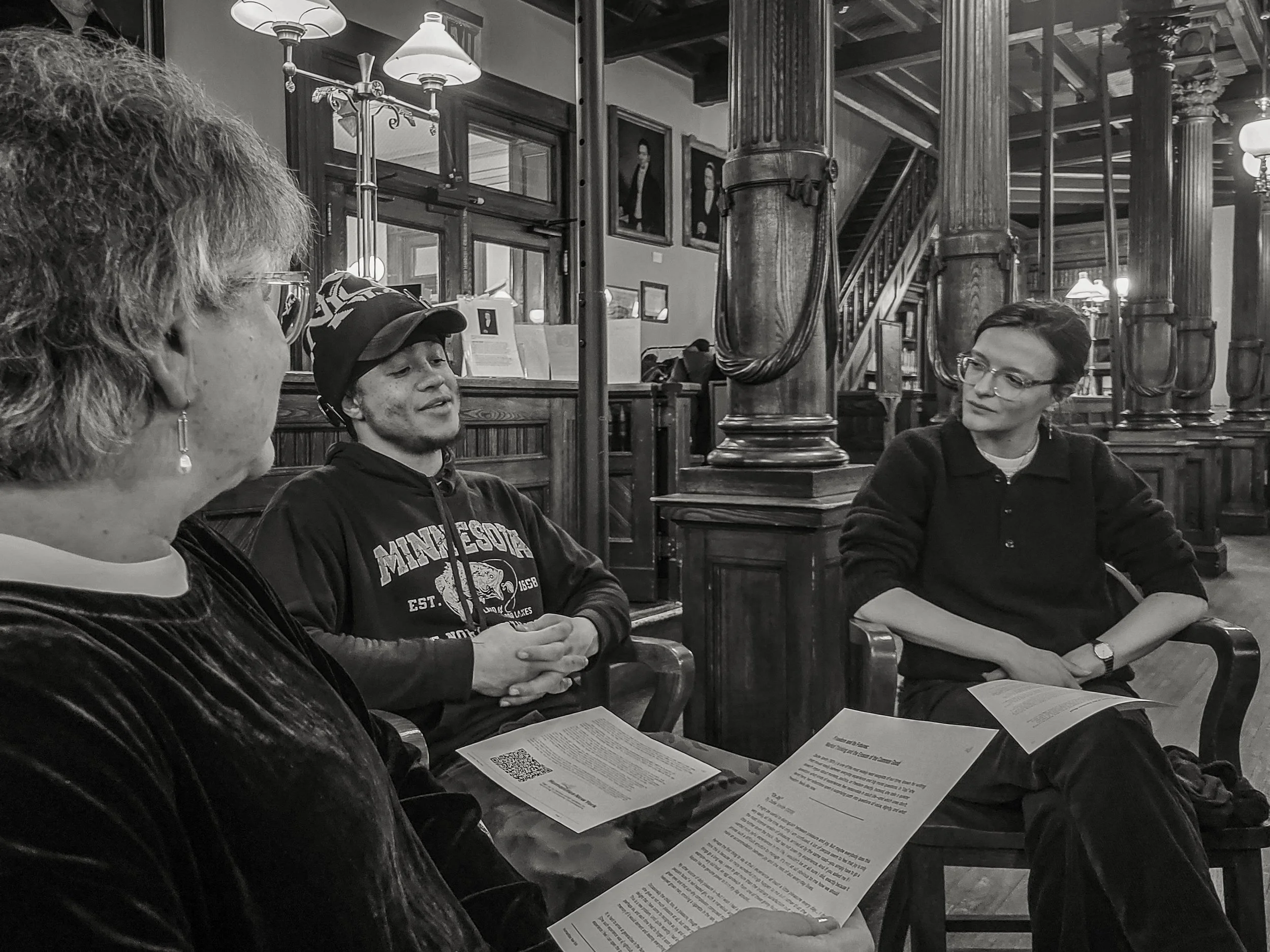
Freedom and Its Futures: Thinking We Are Free
"Thinking We Are Free" begins from a quiet question: what if freedom is something we assume too easily or lose without noticing? This late-night conversation looks ahead, exploring how freedom is practiced rather than declared, and what it might take to keep it alive in an age of fragmentation.

Freedom and Its Futures: The Market Mindset and the Erosion of the Common Good
How has market thinking reshaped how we understand meaning, value, and community? This conversation examines what happens when efficiency eclipses purpose—and how shared worth, beyond transaction, might be reclaimed.

Becoming America: A Community Conversation on Equality and the American Promise
Together, participants will read closely, listen carefully, and reflect on how ideals of equality have shaped American life, where they have fallen short, and why they remain central to democratic renewal today.
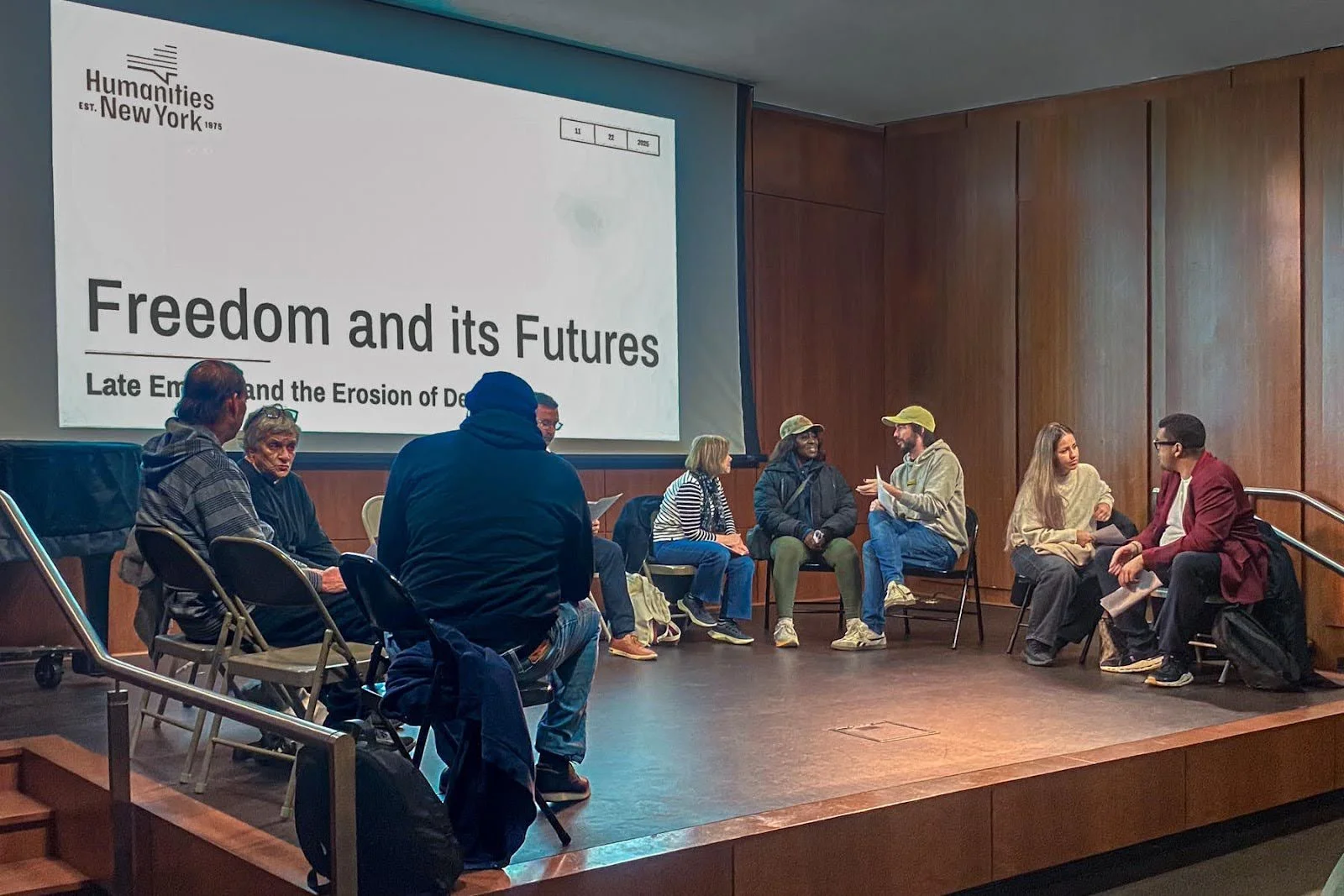
Freedom and Its Futures: Ressentiment and the Crisis of Trust
Ressentiment—deeper than resentment—arises when powerlessness turns frustration inward, breeding suspicion and grievance. This conversation explores how that mood shapes civic life today and how empathy, recognition, and shared truth might restore trust across a divided society.
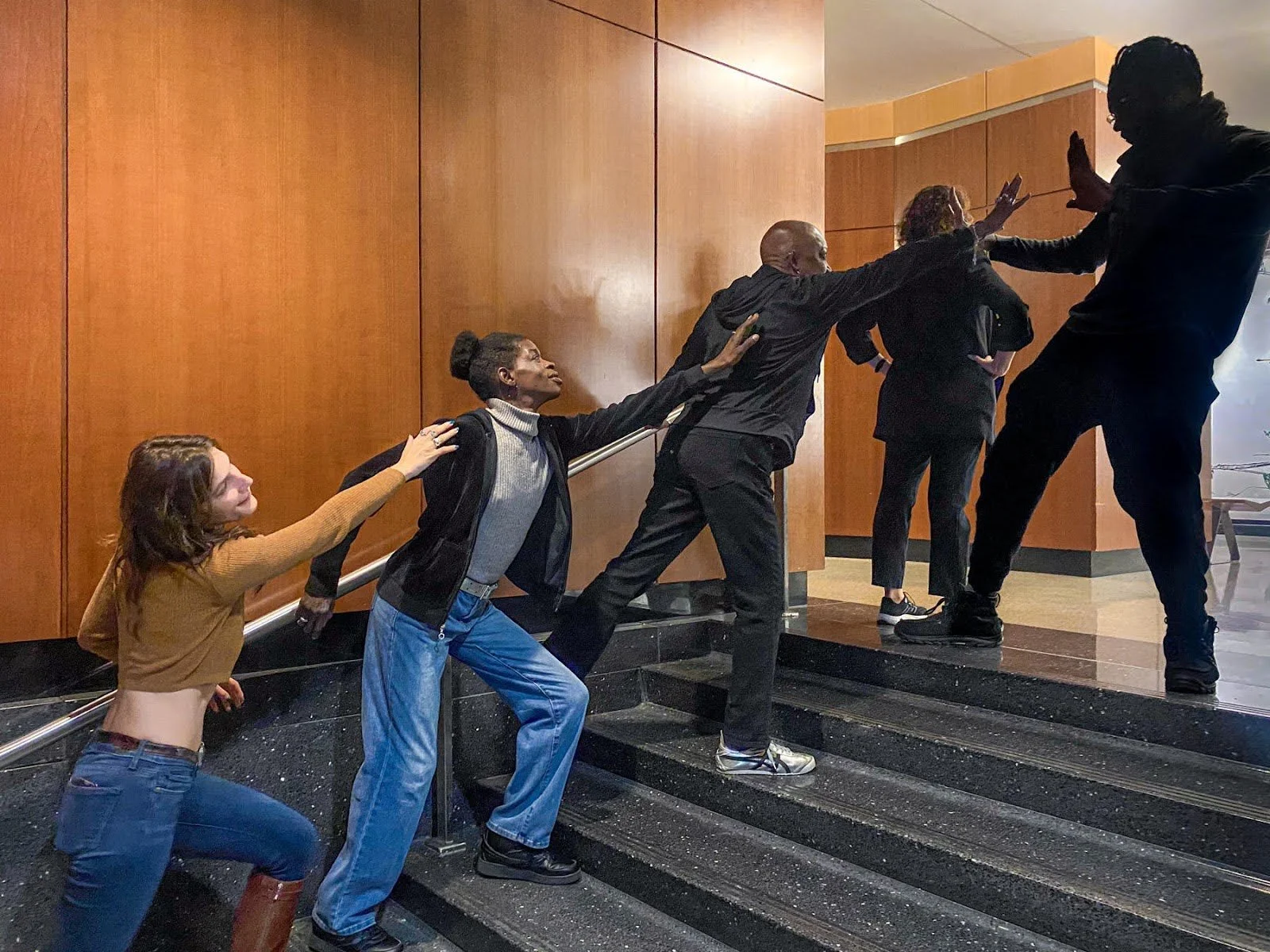
Freedom and Its Futures: Late Empire and the Fate of Democracy
This conversation asks how power, imagination, and conscience can resist decay—and how honesty and courage might renew a democracy grown weary of itself.
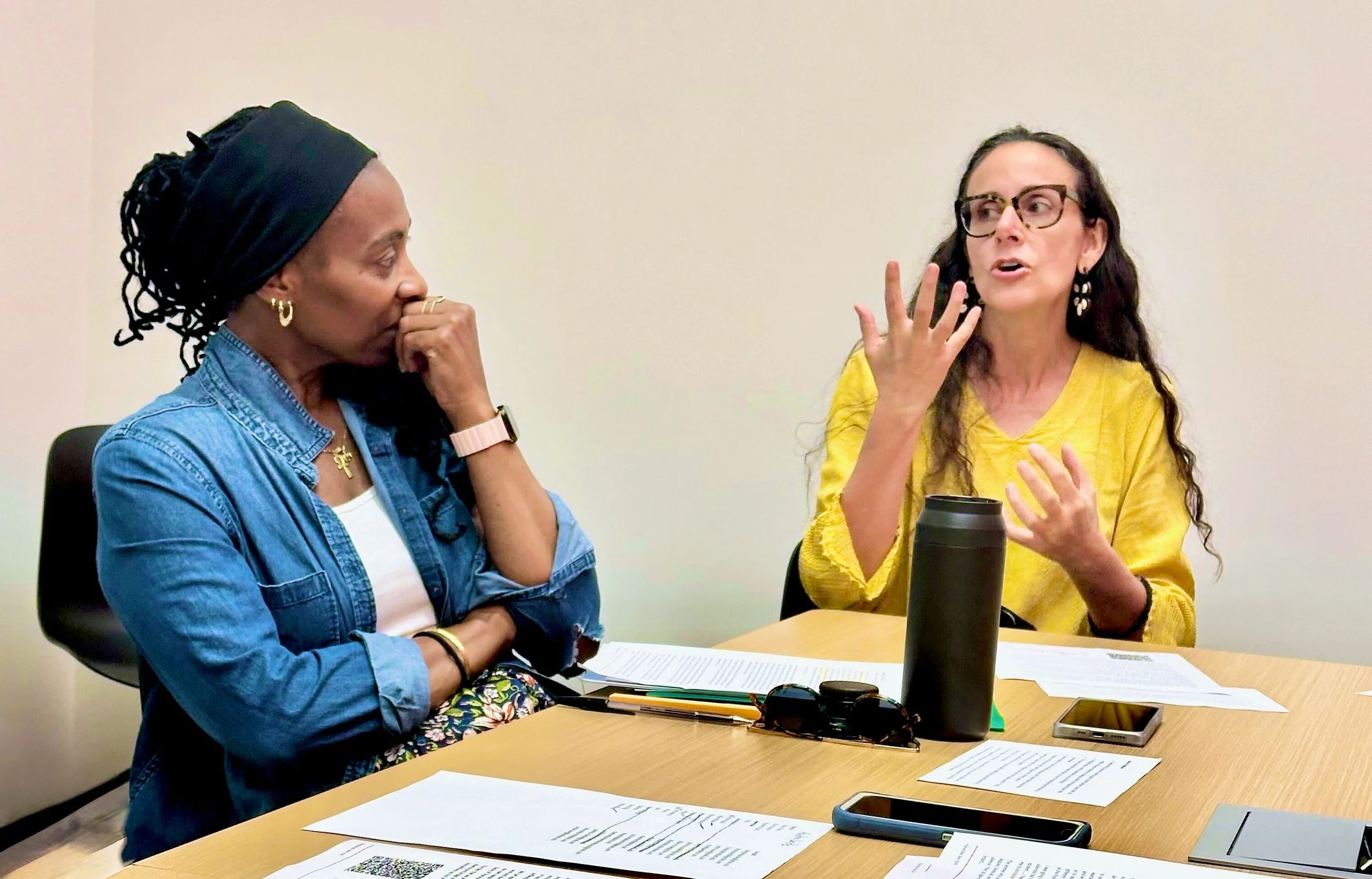
Turntable Revolutions: The Beatles, Nina Simone, and The Rolling Stones
In 1968, The Beatles, Nina Simone, and The Rolling Stones each reimagined revolution. The Beatles questioned violence; Simone demanded upheaval; the Stones captured irony and restlessness. Heard together, these songs reveal how art channels protest, struggle, and hope.
Say What You Mean: George Orwell
In Politics and the English Language (1946), Orwell warns that vague, clichéd language erodes thought and allows power to manipulate. Clear speech, he argues, is an act of resistance and civic responsibility.

Family of Things: Langston Hughes and Mary Oliver on Belonging and Hope
Langston Hughes’s I, Too envisions belonging through justice and recognition; Mary Oliver’s Wild Geese offers belonging through acceptance and kinship with life. Together, these poems explore resilience, hope, and the expansive idea of community.
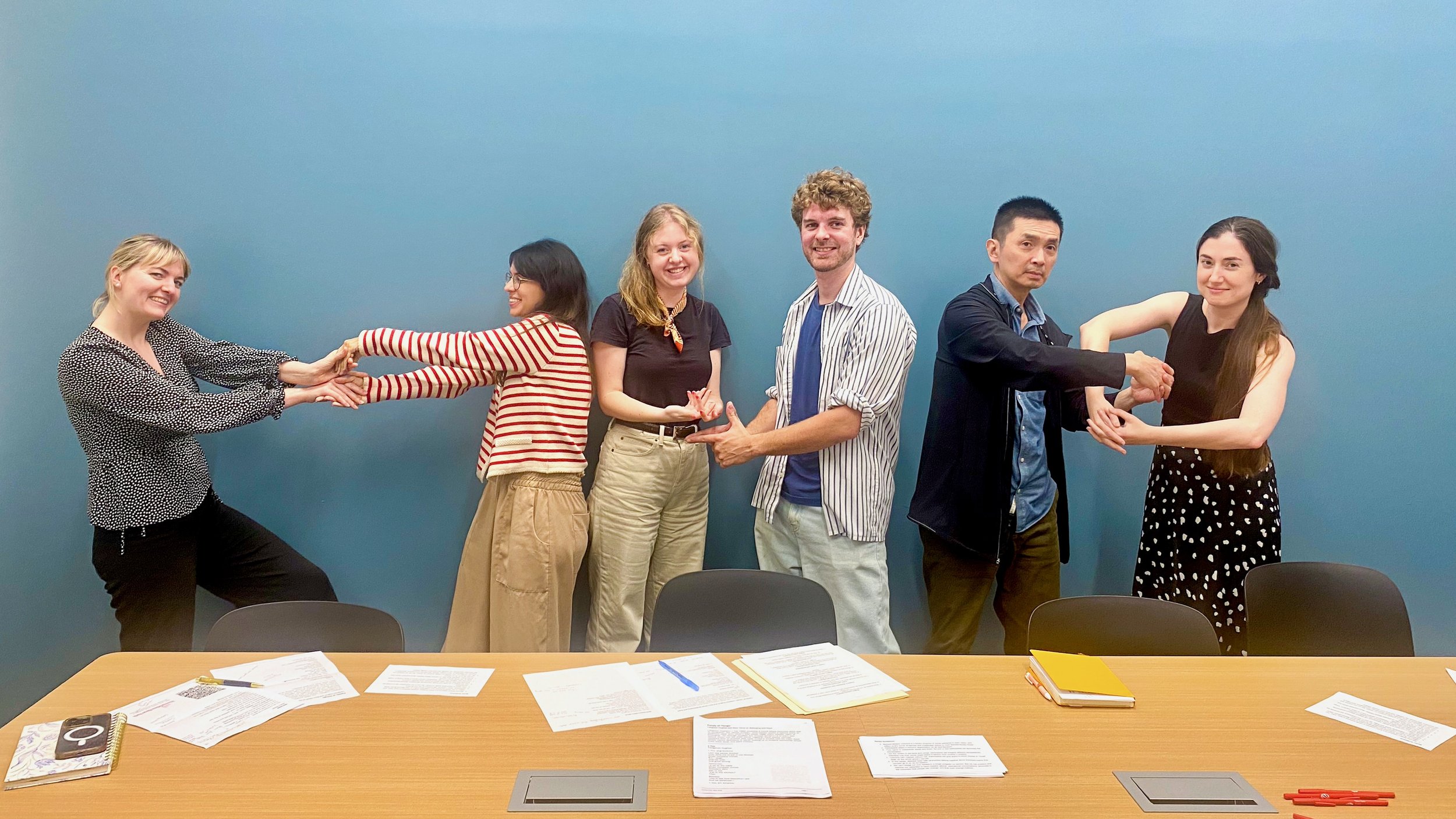
So Many Truths to Tell: Audre Lorde
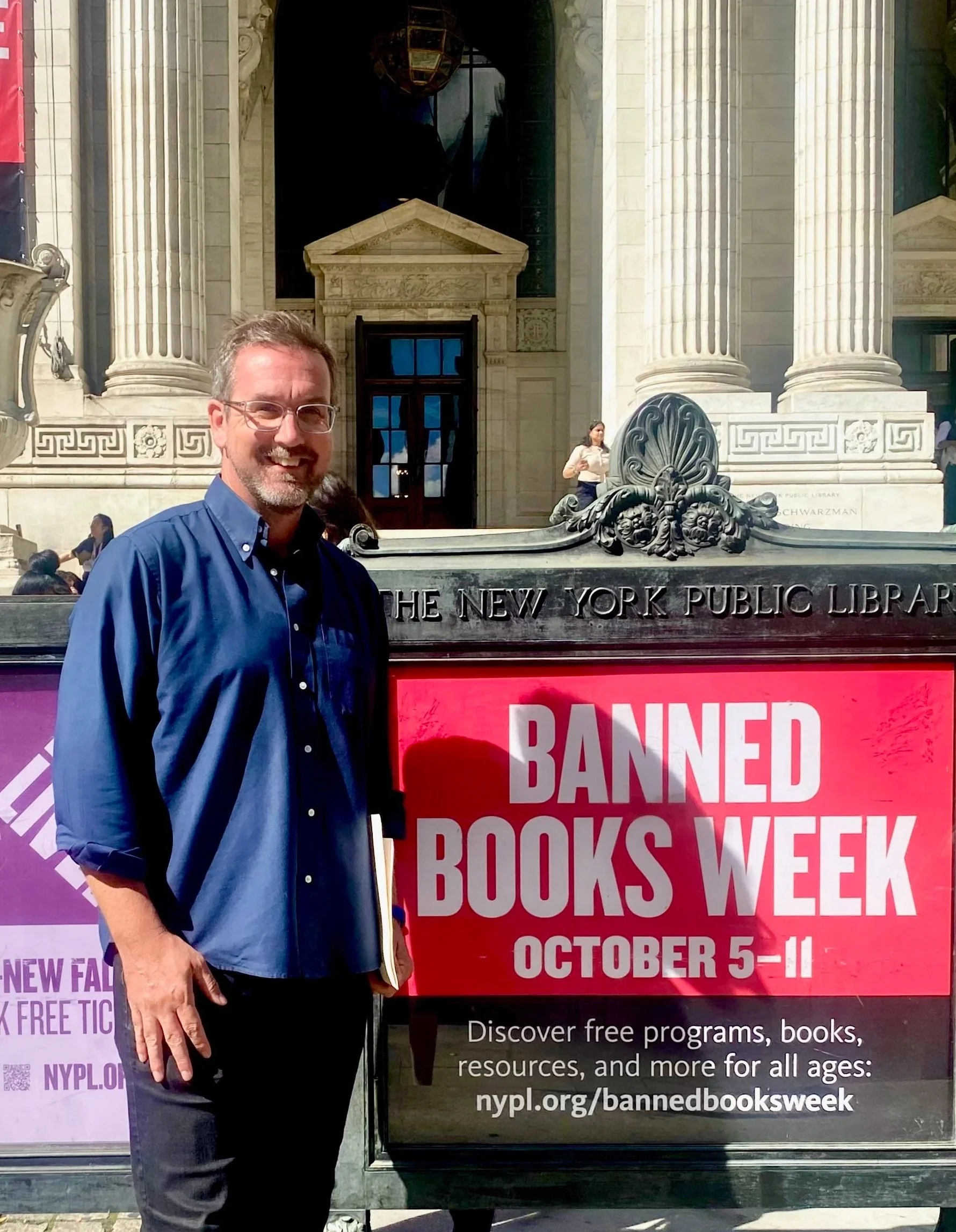
HNY has hosted them more often in recent months, and a just-wrapped, supersized edition at the New York Public Library to coincide with Banned Books Week serves as an excellent illustration of Why and especially Why now?