
Introducing Inflection Points: Conversations for a Changing World
by Joseph Murphy, Director of Strategic Partnerships
Across New York, conversations about technology have started to feel strangely thin. Everything moves quickly. New platforms appear overnight. Artificial intelligence enters classrooms and workplaces before most people have had time to ask basic questions about what these systems are doing to us, or what kind of society they are helping create.
Humanities New York’s new digital interview series, Inflection Points, was created to make space for those questions.
Each conversation brings together Humanities New York with scholars, writers, and public thinkers whose work helps illuminate moments of cultural, political, and technological change. The goal is simple: to slow down long enough to think clearly, historically, and publicly about the forces reshaping everyday life.
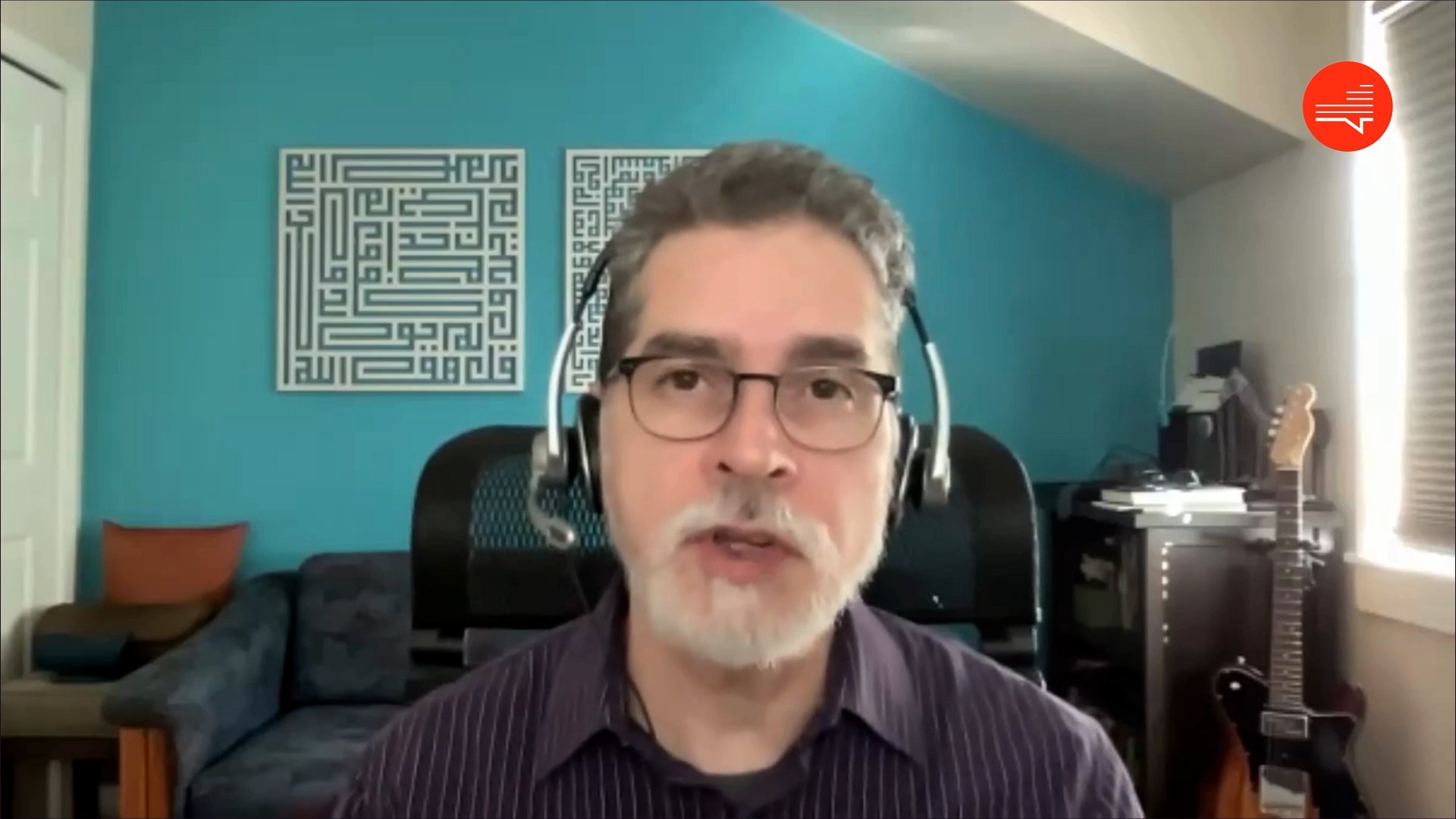
Our first episode features Ulises Mejias, Professor of Communication Studies at SUNY Oswego and Vice Chair of Humanities New York’s Board of Directors. Mejias is widely known for his work on technology, digital inequality, and what he and collaborator Nick Couldry describe as “data colonialism”—the extraction of data from everyday life as a new source of economic and political power.
But the conversation moves beyond critique of technology alone. Again and again, Mejias returns to the role of the humanities in helping people navigate periods of rapid change.
At one point, he reflects on conversations with his students about whether technology shapes society or society shapes technology. The answer, he suggests, is never one-directional. We create tools, but those tools also reshape how we think, communicate, and relate to one another.
The humanities matter because they help us step back from the speed and inevitability that often surround technological change. They give us ways to historicize the present, to recognize that anxiety about technology is not entirely new, even if the forms are. Mejias points out, for example, that the ancient Greeks worried writing itself might damage memory and weaken thought.

That historical perspective changes the conversation. It reminds us that technologies are never just technical systems; they shape ideas about attention, authority, truth, and what it means to live together in public.
Mejias also argues that the humanities remain one of the few places where people can still practice critical reflection outside the logic of constant reaction and performance. Throughout the interview, he emphasizes the importance of conversation—not optimized communication, not engagement metrics, but genuine dialogue where people can think together across differences.
That emphasis on conversation sits at the center of Inflection Points itself.
The series is part of Humanities New York’s broader effort to support public dialogue across the state through programs, partnerships, and shared inquiry. These interviews extend that work into a digital format, making conversations about culture, history, technology, and civic life accessible to broader audiences.
Watch the first episode of Inflection Points featuring Ulises Mejias here:
More conversations in the series will be released in the months ahead.