
Reading & Discussion
Reading & Discussion (R&D) supports libraries, museums, and community organizations in bringing people together through a series of facilitated, text-based conversations. Humanities New York provides curated toolkits—including texts, guiding questions, and session frameworks—while trained local facilitators lead participants in inquiry-based discussions. Participants engage closely with shared texts and with one another, exploring ideas and issues that matter in their communities.
A Sustained Model for Public Humanities Inquiry
-
Each series is organized around a guiding theme and a curated set of texts developed in partnership with scholars and community partners.
Readings may include literature, history, memoir, philosophy, or cultural criticism.
Programs typically:
Run over multiple sessions
Center on a shared book or set of texts
Are facilitated by trained humanities practitioners
Prioritize dialogue over lecture
Create space for sustained reflection
The emphasis is not on expertise or consensus, but on shared reasoning. Participants are invited to ask difficult questions, sit with ambiguity, and wrestle with disagreement in a structured, respectful setting.
-
Reading & Discussion series take place in libraries, museums, campuses, and community venues across New York.
To see current offerings and register, visit our Upcoming Events page.
Space may be limited depending on venue capacity.
What Is Reading & Discussion?
Reading & Discussion is a book-based, multi-session humanities program that invites participants into sustained collective inquiry.
Where Community Conversations introduce ideas through short, accessible texts, Reading & Discussion unfolds over multiple sessions. Participants return to shared readings, build trust over time, and develop habits of careful interpretation and reflection.
It transforms reading from a solitary act into a shared public practice.
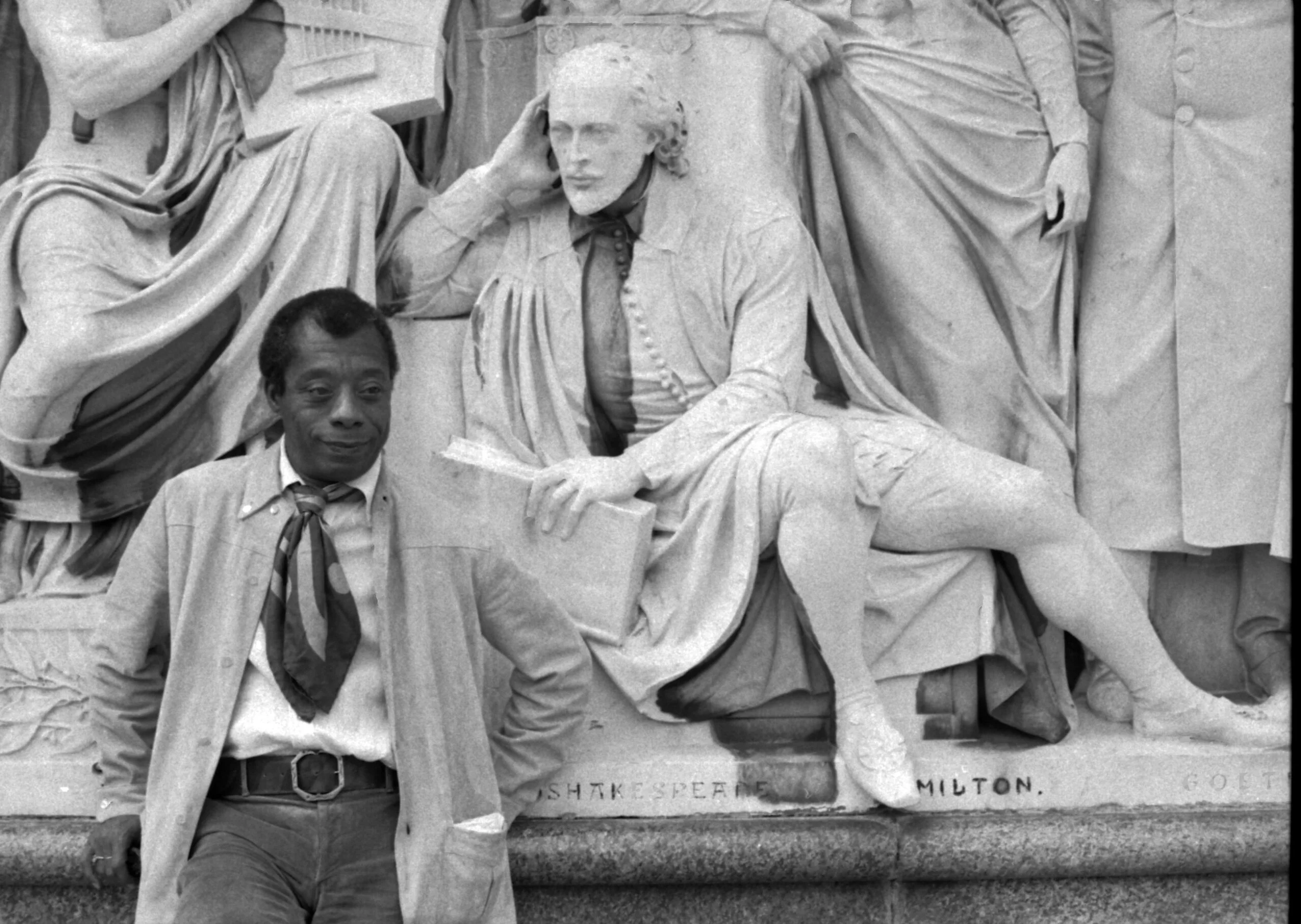
HNY–curated theme James Baldwin’s America is a perennial favorite among applicants. Since 2018, the R&D group has been hosted 43 times across the state. Comprising two volumes spanning fiction and non-fiction, essays and autobiography, the program provides both an entry point and an opportunity for countless New Yorkers to connect with one another other a shared interest in the great American author.
CC BY–SA 3.0 by Allan warren
Why Multi-Session Inquiry Matters
The multi-session format allows groups to slow down and think together, examining how language shapes understanding, how historical memory informs the present, and how imagination expands civic possibility.
Over time, participants develop:
Greater interpretive skill
Increased comfort engaging across difference
Stronger confidence in their own voice
Deeper relationships within their community
Reading & Discussion cultivates patience, ethical inquiry, and mutual recognition, qualities essential to democratic culture.
Aligned with
Statewide Themes
Reading & Discussion is integrated into Humanities New York’s annual thematic priorities, ensuring coherence across programs while allowing local adaptation.
For example, the 2025–26 initiative Revolutions in Reading explores change through literature and history, helping communities interpret rupture, return, and renewal through sustained engagement with texts.
This alignment strengthens connection across regions while preserving the depth of local conversation.
Supported by
Shared Tools
Reading & Discussion is supported by a growing suite of toolkits that provide:
Curated reading lists
Thematic introductions
Guiding questions
Facilitator notes
These materials are refined through pilot partnerships with libraries, historical societies, and community institutions before broader release. Evaluation and facilitator feedback inform ongoing revision and improvement.
This ensures both consistency and adaptability across New York State.